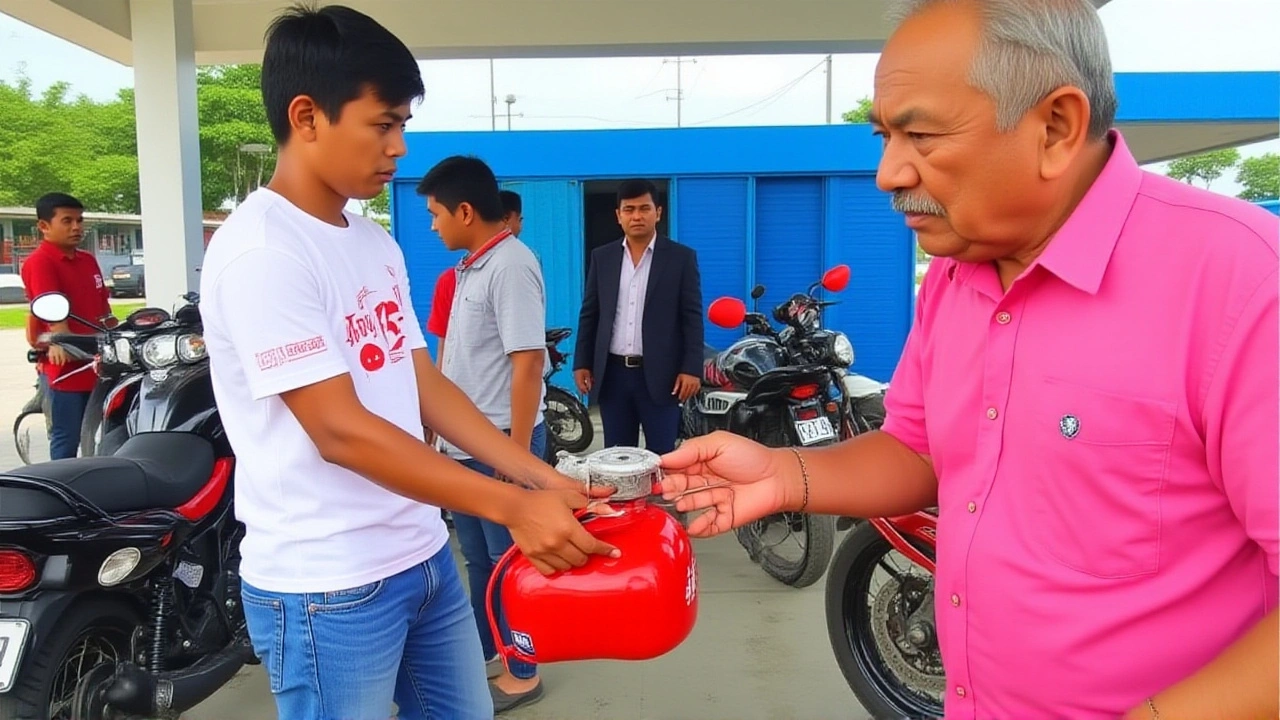
When a young motorist ran out of fuel on the roads near Harnatand, in the Bagaha sub-division of Bihar, he didn’t just push his bike. He did something far more dramatic: he unbolted his motorcycle’s petrol tank, carried it by hand, and walked straight to a nearby fuel station.
The incident, which unfolded against the backdrop of severe diesel and petrol shortages in the region, has sparked a mix of amusement and concern online. The video of the young man holding his empty tank like a suitcase went viral on social media platforms within hours. It highlights a frustrating reality for commuters in West Champaran district: when supplies run low and regulations are strict, desperation breeds creativity.
A Desperate Measure in Harnatand
Here’s the thing about running out of gas in rural India. You usually ask for help, use the choke lever to squeeze out the last drops, or hitch a ride. But this young man faced a different hurdle. According to reports from local outlets like Prabhat Khabar, the youth had already tried the conventional approach. He asked the pump staff to fill an open container or can with petrol so he could carry it back to his stranded bike.
The request was denied outright. Petrol pumps across India strictly prohibit filling fuel into open containers due to safety regulations and fire hazards. This rule is enforced rigorously, especially during periods of high demand or supply constraints. With no other immediate option and his bike stuck miles from home, the young man made a split-second decision. He dismantled the tank from his motorcycle, lifted it with both hands, and marched to the pump counter.
It’s a vivid image that captures the absurdity of the situation. Imagine walking up to a service station not with a vehicle, but with its heart in your hands. The pump attendants were reportedly stunned. While the specific brand of the petrol pump wasn’t named in initial reports, the reaction was universal: disbelief followed by compliance, likely because the tank itself is a sealed, approved vessel for transport, unlike a plastic jerrycan.
The Viral Video and Public Reaction
Turns out, someone at the scene found humor in the predicament. A bystander recorded the entire exchange—the pleading, the denial, the dismantling, and the walk—and uploaded it to social media. The clip quickly gained traction, amassing thousands of views. Comments ranged from jokes about "extreme measures" to serious questions about why fuel scarcity is becoming so acute in the area.
This isn’t an isolated case of creative problem-solving. Similar incidents have been reported elsewhere. In Pilibhit, Uttar Pradesh, another motorist tied his bike’s tank to a bicycle wheel to roll it to a pump after being refused fuel in a bottle. These stories share a common thread: rigid safety protocols clashing with genuine consumer distress.
But wait, there’s a deeper layer here. Why was the shortage so severe? Local sources indicate that distribution bottlenecks in the Bagaha region led to intermittent stock-outs. When millions of people rely on two-wheelers for daily commute and livelihood, even a few hours without fuel can bring life to a halt. The young man’s act wasn’t just funny; it was a symptom of a broken supply chain.
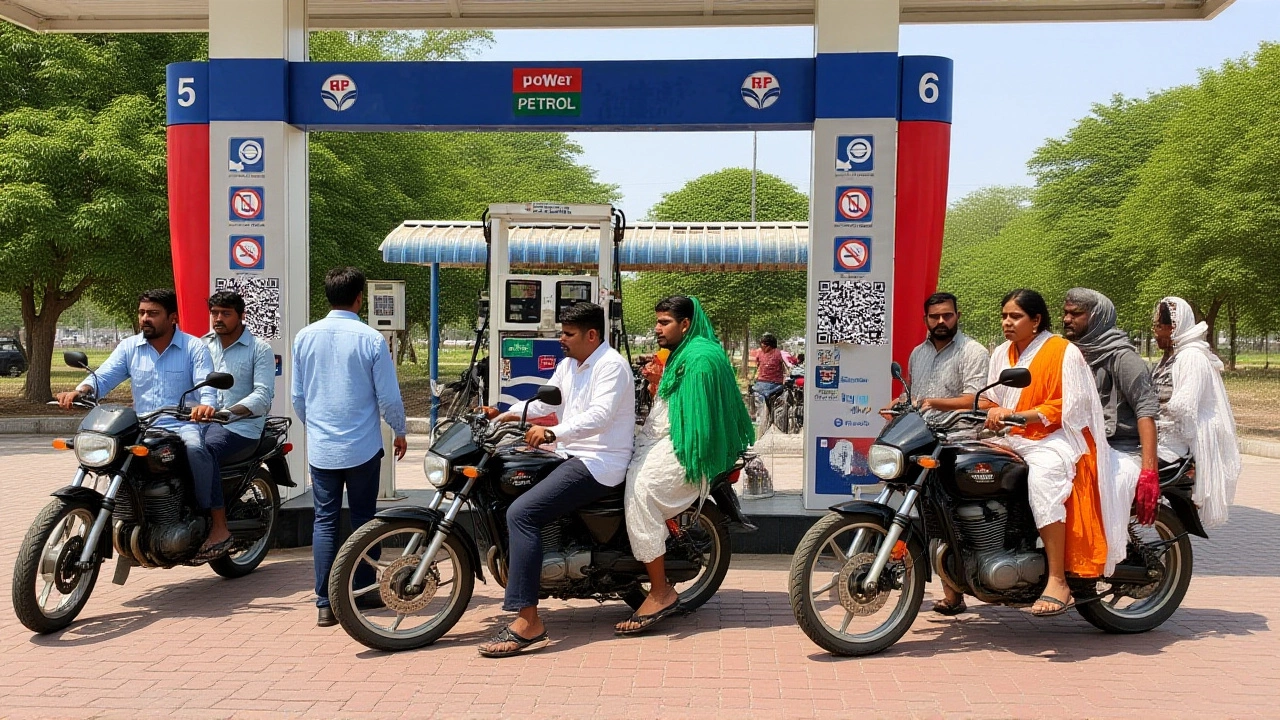
Safety Rules vs. Consumer Needs
The refusal to fill open containers is rooted in legitimate safety concerns. Petrol vapors are highly flammable, and open containers increase the risk of spills, static discharge, and explosions. Regulatory bodies like the Petroleum Explosives Rules (PER) enforce these standards to protect public safety. However, critics argue that while the rules are necessary, the lack of alternative solutions leaves consumers helpless.
Experts suggest that better communication between oil marketing companies and local distributors could prevent such scenarios. If pumps knew they were running low, they could coordinate with neighboring stations or deploy mobile refueling units. Instead, customers are left guessing, often traveling long distances only to find empty bowsers.
Interestingly, automotive advice columns often recommend using the "choke" method or tilting the bike to drain residual fuel from the tank. For those who don’t know these tricks—or whose bikes lack such features—the options are limited. As one expert noted, "The gap between regulation and practical assistance is where these viral moments are born."
What Happens Next?
The details of what happened after the tank was filled remain unclear. Did the young man successfully reattach it? Was he fined for attempting to bypass standard procedures? Or did the pump owner simply feel sorry for him and make an exception? The report doesn’t say. What is clear is that the administration in West Champaran needs to address the root cause: consistent fuel availability.
In the meantime, commuters are advised to keep their tanks above half-full during shortage alerts. It’s a simple precaution that could save you from carrying your bike’s components down the highway. For now, the young man of Harnatand remains anonymous, but his story serves as a stark reminder of how infrastructure gaps impact everyday lives.
Frequently Asked Questions
Why can't petrol be filled in open containers?
Petrol pumps are prohibited from filling fuel into open containers like bottles or cans due to strict safety regulations. Open containers pose significant fire hazards because petrol vapors can ignite easily from static electricity or sparks. Sealed, approved vessels are required to minimize spillage and explosion risks.
Where exactly did this incident take place?
The incident occurred in the Harnatand area of Tharuhath, within the Bagaha sub-division of West Champaran district in Bihar. This region has recently experienced notable shortages of both diesel and petrol, affecting local commuters and transport operators.
Is this a common occurrence in Bihar?
While carrying a bike tank to a pump is rare, similar desperate measures have been reported in other parts of India, including Pilibhit in Uttar Pradesh. These incidents typically arise during periods of acute fuel scarcity or when distribution networks fail to meet local demand consistently.
What should you do if your bike runs out of fuel?
If your bike runs out of fuel, try using the choke lever to draw residual fuel from the tank, or tilt the bike slightly to guide remaining petrol toward the engine intake. If these methods fail, seek assistance from passersby or tow the vehicle to the nearest pump. Avoid attempting to transfer fuel from unauthorized sources.

Write a comment